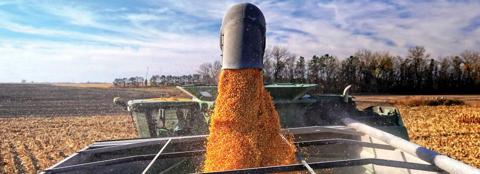

As harvest wraps up, ag producers have a clearer picture of the year's results—and what those outcomes mean for decisions ahead.
Some may be positioned to pursue new opportunities. Maybe the quarter across the road is finally available. Others are weighing an equipment purchase, considering paying down debt, or building working capital to create more flexibility for the future.
For some producers, there isn't just one good option, and multiple priorities are competing for the same dollars. Regardless of where the year landed, deciding what deserves priority can be as important as determining whether a particular investment makes sense.
The question, "Can I afford this?" is part of the decision-making process. Equally important is understanding the flexibility you might give up if you move forward.
How do you decide what comes first?
Nobody wants today's choices to limit their ability to respond to future opportunities, weather a downturn, or support a transition to the next generation.
When several decisions make sense, these questions can help determine which deserves priority:
What can't reasonably wait? Is there a true deadline, an operational need, or an opportunity that may not come around again?
What does each decision accomplish? Does it solve a pressing problem, reduce costs, or support a longer-term goal?
What gets delayed if I do this first?
How much cash or borrowing capacity might be needed for the next production year or an unexpected opportunity?
What changes depends on what decision comes first
As you look beyond a single purchase to consider the broader impact, you begin to understand the trade-offs that come with each decision. For example:
Land first: A neighboring parcel may be a rare opportunity, but the land loan down payment could delay equipment replacement.
Equipment first: Replacing an unreliable tractor could reduce downtime risk but limit the ability to pursue land.
Debt first: Reducing interest expense could strengthen the operation's position but may leave less cash available for future opportunities.
Even financing decisions matter. A purchase that makes sense for the operation can create challenges if it is structured incorrectly.
The right move depends on your operation’s needs and goals. If the tractor can make it through another season but the neighboring piece of ground is available today, the land purchase may take priority. If equipment issues could disrupt next year's planting season, replacing the tractor may need to come first. And if debt payments are already limiting flexibility, paying down debt could put the operation in a better position for future opportunities.
Understanding the trade-offs behind each option is often more important than identifying a single "best" choice.
Sometimes the best move is keeping your options open
Not every opportunity has to be acted on right away. In some cases, building working capital, preserving borrowing capacity, or simply waiting until there is more clarity may be the right move.
Maintaining financial flexibility makes it easier to handle the unexpected or take advantage of an opportunity that's a better fit down the road.
Lean on your team
When multiple options appear to be good ones, the goal isn't necessarily choosing the opportunity with the biggest upside. It is making the decision that best positions your operation for whatever comes next.
Your financial officer can help you compare scenarios—such as buying land now, replacing equipment first, or reducing debt—and understand how each path could affect your ability to pursue other priorities.
Before committing to your next move, consider talking through the options. Have two or three competing priorities? Want to better understand how your financing structure impacts cash flow and affordability? Farm Credit Services of America (FCSAmerica) financial officers work with producers to evaluate land purchases, equipment investments, debt management strategies, and working capital needs throughout the agricultural cycle. Contact your FCSAmerica financial officer to discuss how each fits into your operation in the year ahead and beyond.