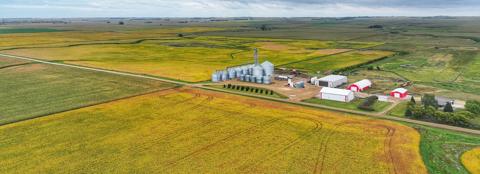
Understanding land appreciation and depreciation is essential for anyone considering land as an asset, whether for agriculture, development, or long-term wealth building. We break down the factors that influence land values and their historical trends.
Does land increase in value?
Land generally appreciates over time. Unlike vehicles or equipment, land is considered an appreciating asset; land is finite, and as the population rises, so does the demand for land to meet housing, agriculture, and commercial needs. Historically, farmland and rural property have shown steady appreciation, especially in regions with strong agricultural productivity or proximity to growing urban areas.
Does land ever lose value?
This is a two-sided answer: Tax depreciation versus market value. While land does not depreciate for tax purposes in the same way that buildings or equipment do, land values can decline under certain conditions.
Tax depreciation is an accounting concept that applies to improvements made on land—such as barns, irrigation systems, or homes—because these structures wear out over time. Land, however, is considered a non-depreciable asset for tax purposes because it does not physically deteriorate.
That said, market value reflects real-world conditions and can decrease due to:
Economic downturns or recessions: Reduced demand can lower prices.
Environmental factors: Soil erosion, flooding, or contamination can make land less productive.
Regulatory changes: Zoning restrictions or land-use limitations can reduce market appeal.
Local market oversupply: When excess land tips the balance of supply and demand, prices might stagnate or fall.
Understanding this distinction is critical: Tax depreciation affects your accounting and tax strategy, while changes in market value impact your equity and investment potential.
How much does land appreciate per year?
The rate of land value appreciation fluctuates, and varies by location, land type, and economic conditions. Historically, U.S. farmland has appreciated at an average annual rate of about 5% to 6%. During the COVID-19 pandemic, farmland values surged in many regions due to strong commodity prices and interest from investors seeking a safe place to put their money. Conversely, appreciation tends to slow or even reverse during periods of recessions.
Factors that influence land appreciation
The market ultimately determines the value of land. But certain features and economic conditions contribute to appreciation.
Supply and demand: Limited availability and high demand.
Location: Proximity to cities, transportation, and markets.
Natural resources: Fertile soil, water access, and favorable climate.
Infrastructure and improvements: Roads, utilities, and drainage systems that enhance usability.
Economic conditions: Strong commodity prices and/or low interest rates.
Zoning and land use regulations: Flexible zoning that allows multiple uses.
Making informed land investment decisions
Land is generally a stable, appreciating asset, but like any investment, it is subject to market forces. Understanding what drives land values—up or down—helps buyers and investors make informed decisions.